
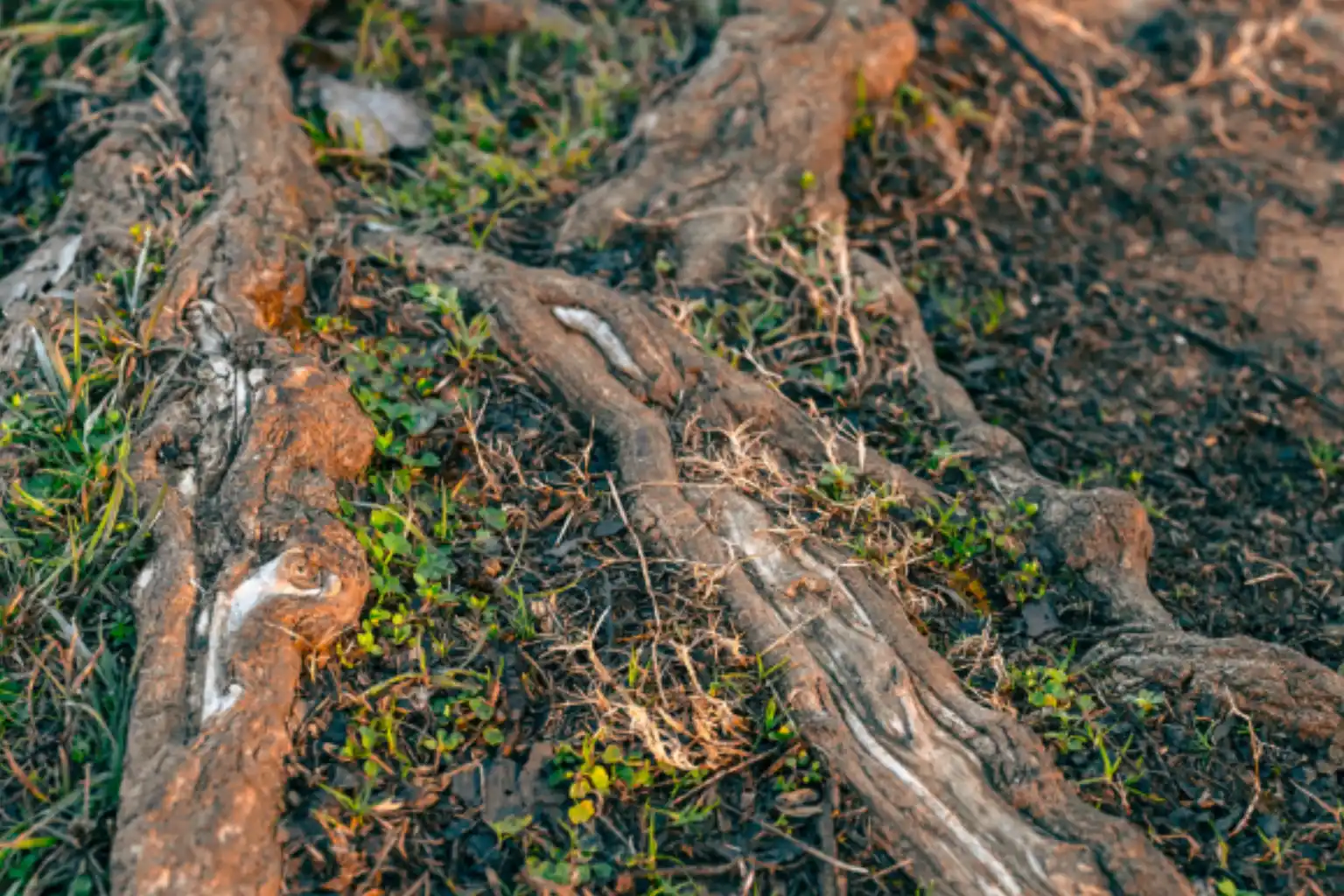
Catonsville’s tree-lined streets are one of the best things about living here. Mature oaks, maples, and sycamores shade yards, raise property values, and give neighborhoods their character. But below the lawn, those same trees may be working their way into your sewer line.
Tree roots are one of the most common causes of slow drains, recurring clogs, and sewer backups in older residential neighborhoods. The damage happens slowly and out of sight, so many homeowners don’t know there’s a problem until wastewater backs up into a basement floor drain. Here’s how it happens, why Catonsville homes are especially at risk, and what to do about it.
Why Catonsville Homes Are Especially Vulnerable
Three things combine to make root intrusion a common problem in Catonsville.
Older homes and older pipes. Many Catonsville homes were built in the early and middle decades of the 20th century. Sewer laterals from that era were often made of clay tile or cast iron. Clay pipe comes in short sections joined every few feet, and each joint is a potential entry point. Cast iron corrodes and cracks over time, creating openings of its own.
A mature tree canopy. Large, established trees have extensive root systems that can spread well beyond the edge of their branches. A tree in your front yard, your neighbor’s yard, or the strip along the street can all reach your sewer line.
Decades of ground movement. Freeze-thaw cycles, soil settling, and the weight of growing roots slowly shift underground pipes. Small shifts open gaps at joints, which is exactly what roots are looking for.
How Tree Roots Get Into Sewer Pipes
Roots don’t break into a healthy, sealed pipe. They exploit weaknesses that already exist, then make them worse.
- Roots sense moisture. A sewer line carries warm water and nutrients, and tiny leaks release vapor into the surrounding soil. Roots naturally grow toward that moisture.
- They find a gap. A loose joint, a hairline crack, or a corroded spot gives a hair-thin root its way in.
- They grow inside the pipe. Once inside, the root has steady water and food. It branches into a dense, net-like mass that catches toilet paper, grease, and debris.
- The clog builds. Drains slow down, then back up. Snaking may clear a path, but the root mass grows back.
- The pipe breaks. As roots thicken, they widen cracks, separate joints, and can eventually crush or collapse the pipe.
The earlier you catch it, the more likely the fix is a simple cleaning rather than an excavation.
Warning Signs of Root Intrusion
Watch for these signs, especially if your home has large trees within 20 to 30 feet of the sewer line:
- Slow drains throughout the house, not just one sink or tub.
- Gurgling sounds from toilets or drains after water runs elsewhere in the home.
- Recurring clogs that come back weeks or months after the line was snaked.
- Water backing up into a basement floor drain or the lowest fixture in the house, often after laundry or a shower.
- Sewage odors inside the home or in the yard.
- Unusually green or soggy patches of lawn along the path of the sewer line, where leaking wastewater feeds the grass.
- Sinkholes or depressions in the yard, which can point to a collapsed section of pipe.
One sign on its own may be minor. Two or more together, or a clog that keeps coming back, usually means it’s time for a camera inspection.
Why Fall and Early Spring Are the Times to Pay Attention
Root problems tend to show up with the seasons in Maryland.
Late summer and fall. After the dry stretches of summer, trees are hunting hard for water. Root growth continues into fall, and a sewer line is a reliable source. Fall is also when many households host more guests and run more water through their plumbing during the holidays, which puts extra pressure on a partially blocked line.
Winter. Freeze-thaw cycles shift the soil around older pipes and can widen existing gaps. A slow drain heading into winter can turn into a backup in January.
Early spring. Trees push out a burst of new root growth as they wake up for the season. Heavy spring rains can also overload a line that’s already narrowed by roots.
That makes fall an ideal time to schedule an inspection and clear roots before winter, and early spring a smart time to check that the line is still flowing freely.
How Root Problems Are Diagnosed and Fixed
The right fix depends on how far the roots have gotten and how much damage they’ve done. It starts with seeing inside the pipe.
Sewer camera inspection. A plumber feeds a waterproof camera through a cleanout or drain and records the full length of your sewer line. The video shows exactly where roots are entering, how dense they are, and whether the pipe is cracked, offset, or collapsed. It also locates the problem so any digging is targeted instead of guesswork. If you’re buying an older home in Catonsville, a pre-purchase sewer scope is well worth the cost.
Root removal. When the pipe is still structurally sound, roots can be cleared with a mechanical cutter on a drain cable or with high-pressure hydro jetting, which scours roots and buildup off the pipe walls. Cleaning restores flow, but it doesn’t seal the openings, so roots will eventually return. Many homeowners with large trees nearby schedule maintenance cleaning every one to two years. Root-inhibiting treatments can slow regrowth between cleanings.
Pipe repair and replacement. When the camera shows cracks, separated joints, or a collapse, the pipe itself needs attention:
Trenchless methods are popular in established neighborhoods because they spare lawns, driveways, landscaping, and the very trees that caused the problem.
Preventing Root Problems on Your Property
You don’t have to choose between your trees and your plumbing. A few steps go a long way:
- Know where your sewer line runs. A camera inspection with locating can map it, so you can plan landscaping around it.
- Plant smart. Keep new trees well away from the sewer line. Slower-growing species with less aggressive roots are a better choice near pipes than willows, poplars, silver maples, or large oaks.
- Schedule regular maintenance if you’ve had roots before. Periodic cleaning stops small intrusions before they become blockages.
- Consider lining an older clay line. If your home still has its original clay or cast iron lateral, a seamless liner removes the joints roots rely on.
- Don’t ignore early signs. A slow drain is much cheaper to address than a basement backup.
Who’s responsible for the line? In Baltimore County, homeowners are generally responsible for the private sewer lateral that runs from the house toward the public main, though the exact dividing point can vary by property. If you’re unsure where your responsibility ends, check with Baltimore County’s Department of Public Works or ask your plumber to locate the connection during an inspection.
Get Ahead of Root Problems Before Winter
If you live in Catonsville and have mature trees on or near your property, an older home, or drains that keep slowing down, now is the time to find out what’s happening underground. A camera inspection takes the guesswork out of it and shows whether you need a simple root cleaning or a longer-term repair.
Maximum Drain Cleaning serves homeowners throughout Catonsville and the surrounding Baltimore County area with sewer camera inspections, root removal, hydro jetting, and trenchless pipe repair. Call (443) 970-8279 or schedule online to book your inspection before the cold weather sets in.