
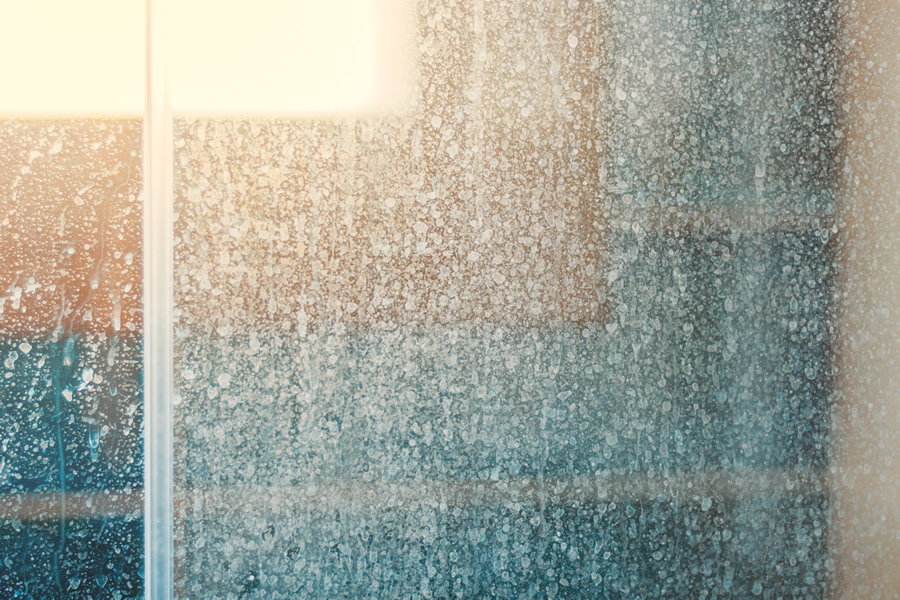
Did you know that if your home has water that is too hard or too soft, you may notice some issues with your system? While it may seem like it’s just an inconvenience, hard water can have severe effects on your plumbing system if left untreated. While soft water is less trouble, it presents its own issues.
What Is Hard Water?
Depending on the type of ground that your area draws its water supply from, you may have a buildup of dissolved minerals in your water. While this can be an excellent way to get trace amounts of extra nutrients while drinking water, it’s good for little else. In areas like New England where most water is drawn from wells drilled into bedrock, the amounts of iron, magnesium, and calcium can be significant. These result in layers of build up on surfaces and leave spots on glassware when washed. Additionally, it minimizes the effects of soap, which makes cleaning more difficult and leaves clothing feeling like it has a soapy residue. If left unchecked this buildup can cause severe problems for your plumbing system as over the years the layers of buildup can get quite thick.
Adding A Water Softener
One of the most effective and cost efficient ways to deal with hard water is to install a water softening system at the point of entry for all water to your home. These systems use a chemical process known as ion exchange to remove the hard, positively charged minerals by switching them for less intense ones like sodium. The process is entirely natural and does not involve any actual chemicals. Once the minerals have been swapped the water then flows through your home as usual. It’s important to note that a water softener system does need to be maintained regularly as there is a brine solution that can contaminate your well if left unchecked.